Why Every CCTV Installer Needs a Reliable CCTV Camera Planner
I have been designing and installing security camera systems for over a decade, and if there is one thing I have learned, it is that a successful CCTV deployment starts long before you climb a ladder or run a single cable. The difference between a system that works and one that frustrates everyone often comes down to proper planning. That is where a good cctv camera planner becomes not just helpful, but essential.
In the early days, I used to sketch camera positions on graph paper, calculate fields of view with a protractor, and then drive to the site to verify my guesses. It worked, but it was slow and error-prone. I would sometimes discover that the lens I had chosen was too narrow to cover the entrance, or that a mounting bracket would put the camera behind a beech window that reflected the parking lot lights. Those mistakes cost time and money. A proper planning tool solves that by letting you visualize the coverage before you buy any hardware.
The Gap Between Theory and Practice
Most people think that buying a high-resolution IP camera guarantees a good picture. Resolution matters, but it is only part of the story. The focal length, field of view, and mounting height determine what that camera actually sees. A 4K camera with the wrong lens can produce a wide, useless blur or a narrow, zoomed-in image that misses the door entirely. A cctv camera planner helps you match the lens to the scene before you install anything.
For example, a loading dock needs a different approach than a retail checkout area. The dock may require a long focal length to read license plates from a distance, while the checkout needs a short focal length to capture faces at close range. Without planning, you end up with a generic setup that satisfies nobody. With a planner, you can test different lenses, see the field of view overlaid on the site map, and adjust the camera height and angle until the coverage matches the requirements.
Hardware Choices That Follow the Plan
Once the camera positions are locked, the hardware selection becomes straightforward. The plan tells you the exact focal length, which lets you choose between a varifocal lens or a fixed lens. It also tells you the mounting method. For a wall mount, you might need a junction box to hide the cable connection. For a ceiling mount, a pendant mount and a mounting bracket might be required. I have seen too many installs where the mounting bracket was an afterthought, leading to awkward cable runs and exposed wires that look unprofessional.
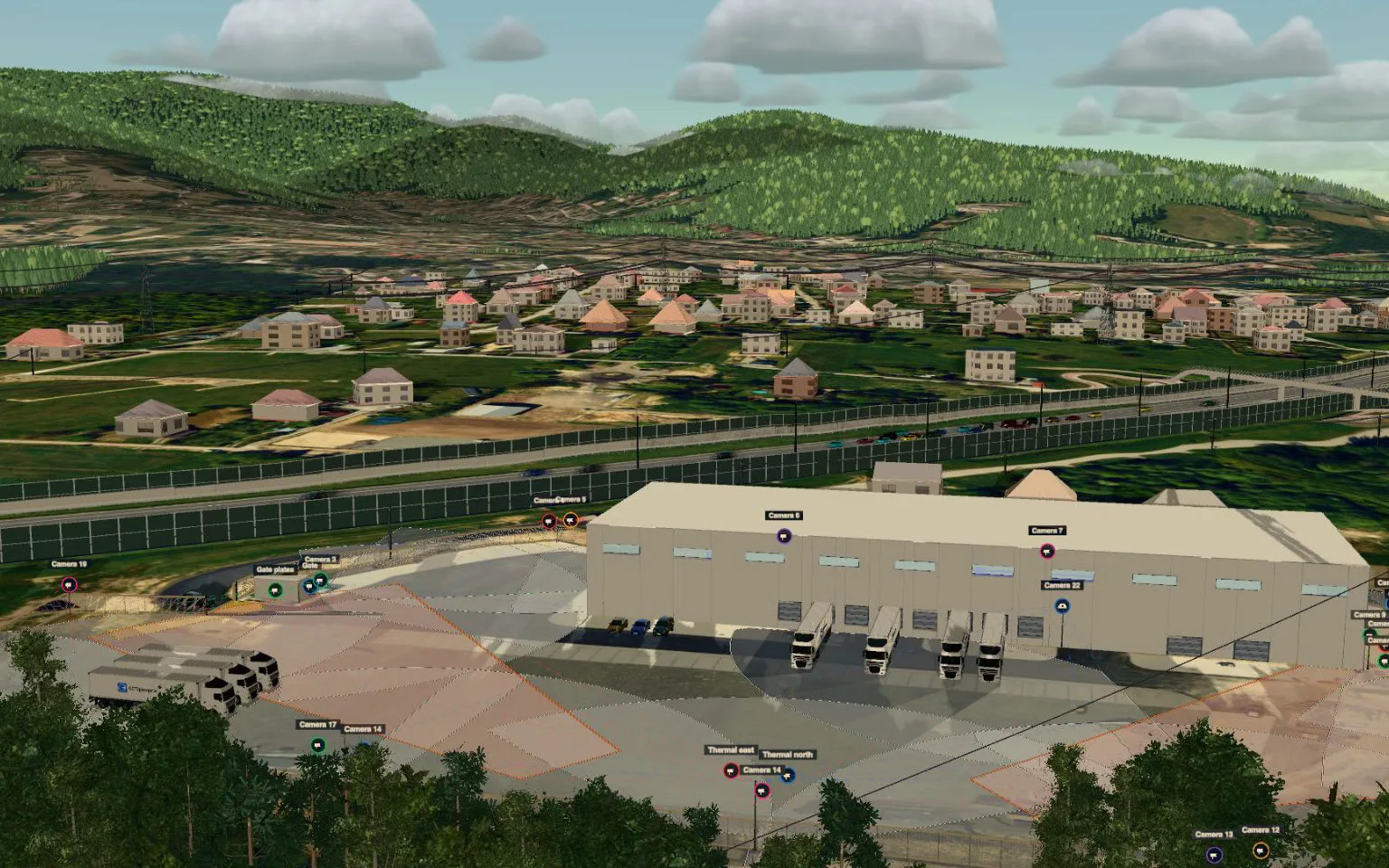
The plan also dictates the cabling. If your system uses Power over Ethernet, you need a PoE switch with enough ports and power budget for every camera. If you are working with analog cameras, you will run coaxial cable from each camera to a DVR or network video recorder. The choice between IP camera and analog camera is not always clear-cut. IP cameras offer higher resolution and easier integration with software like Milestone Systems or Genetec, while analog cameras with coaxial cable can be more cost-effective for small sites. A good planner does not force you into one path; it lets you see the trade-offs.
Software Integration and ONVIF Compliance
One of the most common headaches in modern CCTV is getting cameras and recorders to talk to each other. You might prefer Hikvision cameras for their low-light performance, or Dahua for their wide dynamic range, or Axis Communications for their build quality. But if the recorder does not support the camera's protocol, you will spend hours on the phone with tech support. This is where ONVIF compliance matters. Most mainstream brands support ONVIF, but not all features work across brands. A cctv camera planner that includes compatibility notes can save you from buying a camera that works only with its own brand's recorder.
For larger systems, the video management software (VMS) becomes the backbone. Milestone Systems and Genetec are popular choices for enterprise deployments, while UniFi Protect is a strong option for smaller businesses that want a simple, integrated ecosystem. The planner should help you estimate the storage requirements and the bandwidth needed for each recorder. A 4K camera streaming 24/7 to a network video recorder fills a hard drive faster than most people expect. Without planning, you end up with a recorder that runs out of space in a week.
Practical Walkthrough: From Plan to Installation
Let me give you a concrete example from a recent job. A client wanted to cover a warehouse with three loading bays, a side door, and a parking lot. I started with the site map and used a lens calculator to determine the focal length for each camera. The loading bays needed a 12mm lens to read the truck numbers from 30 meters away. The side door required a 6mm lens for a wider view. The parking lot needed two cameras with 4mm lenses to cover the full area without blind spots.
Once the lenses were chosen, I selected the cameras. I used Hikvision IP cameras for the bays because of their good low-light performance, and Dahua cameras for the parking lot because they handle wide dynamic range better. All cameras supported ONVIF, so I could use a single network video recorder from a third-party brand. The plan showed me exactly where to run the Ethernet cables and where to place the PoE switch. The junction boxes were specified in the plan to keep the connections weatherproof.
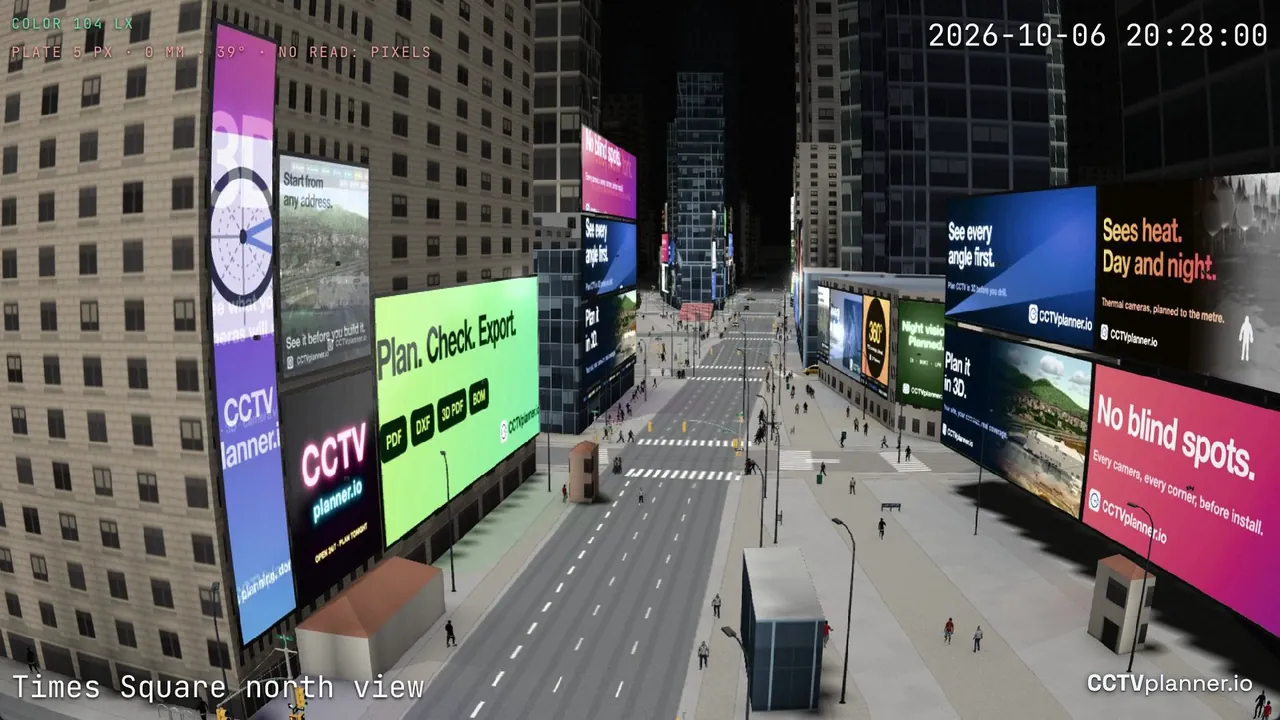
The installation took two days instead of the usual four, and the client was happy because the coverage matched the plan exactly. No surprises, no rework. That is the value of planning.
Common Pitfalls and How to Avoid Them
Even with a good plan, mistakes happen. Here are a few I have made and seen others make:
- Ignoring the environment: A camera near a beech window will catch reflections at night. Adjust the angle or use a camera with a wide dynamic range.
- Underestimating cable runs: Power over Ethernet has a 100-meter limit. Beyond that, you need a PoE extender or a local switch.
- Forgetting the mounting bracket: A cheap bracket can sag over time, changing the field of view. Invest in a solid mounting bracket.
- Choosing the wrong lens: A varifocal lens gives flexibility but costs more. A fixed lens is cheaper but requires accurate planning.
- Skipping the junction box: Exposed cable connections fail over time. Use a junction box to protect the connection.
These issues are all avoidable if you spend time on the planning phase. The tool does not do the work for you, but it gives you a clear picture of what will and will not work.
Managing Multiple Sites and Client Expectations
When you manage multiple installations, consistency becomes important. Every client wants a professional-looking system that works reliably. A standardized planning process helps you deliver that. It also helps with client communication. Instead of describing the camera coverage in words, you show them the field of view on a map. They can see that the entrance is covered and that the blind spot near the dumpster is not an issue because the camera angle covers it from the side.
For larger deployments, tools like U-NMS help you monitor the health of all cameras from a single dashboard. But even the best monitoring tool cannot fix a bad camera placement. That is fixed only at the design stage.

Final Thoughts
A cctv camera planner is not a luxury. It is a practical tool that saves time, reduces errors, and improves the final result. Whether you are a one-person operation or part of a larger team, taking the time to plan each camera position pays off in fewer site visits, fewer support calls, and a system that actually works as intended.
The next time you start a project, open a planner before you open a box. It will change how you work.